-
Completely agree
Doctor Fengyu Wu
Researcher in the Economics of Well-being, STATEC Research, LuxembourgThe expansion of global trade over the past eight decades has, on balance, enhanced overall well-being by driving economic growth, reducing poverty, and increasing access to goods and services.
-
Completely agree
Professor Paul Frijters
Professorial Research Fellow, CEP Wellbeing Programme, London School of EconomicsI subscribe to the textbook argument that people who trade have an incentive to be polite to each other. So trade reduces wars and criminality. The production of goods to trade similarly enforces stability and predictability on a region. The regions that do not do this see its population move elsewhere. Less wars, less crime, and more stability all strongly improve human wellbeing.
-
Completely agree
Professor Mark Wooden
Professorial Research Fellow and Director of the HILDA Survey Project, Melbourne Institute: Applied Economic and Social Research, Faculty of Business and Economics, University of MelbourneThe economic benefits of trade based on comparative advantage were set out more than 150 years ago by David Ricardo. The main concern is whether the gains from specialization and trade are too often unequally distributed, with gains in lower-income countries concentrated on the wealthiest. And indeed early research often found little obvious association between measures of globalization and measures of economic prosperity (Harrison & McMillan 2007, J Econ Ineq), though this also could be a function of data and estimation difficulties. Nevertheless, recent decades have seen an emerging consensus that greater trade openness has been associated with reduction in poverty (eg Dollar & Kraay 2004, Econ J; Bergh & Nilsson 2014, World Dev) and a reduction in income inequality in poor countries (Eg Dorn et al 2022, Econ Inq). Perhaps more importantly, there is also a growing body of research reporting improvements in population health and life expectancy as a result of greater openness to trade (eg Heizer, 2017, World Economy; Dithmer & Abdulai, 2020, Applied Econ; Feng et al., 2021, World Development).
-
Completely agree
Professor Mohsen Joshanloo
Associate Professor (Psychology), Keimyung University, South KoreaThere are pros and cons to expanding international trade. However, I believe that the advantages outweigh the disadvantages. Of course, there is always room for improvement. To make trade more effective and reduce its negative impacts, it's important to focus on fair, mutually beneficial agreements, rather than using trade to take advantage of other countries, which often backfires and harms everyone involved.
-
Completely agree
Professor Martijn Hendriks
Associate Professor, Erasmus University Rotterdam & University of JohannesburgThe growth of international trade has significantly enhanced global efficiency by allowing countries to specialize according to their comparative advantages. It has granted nations access to vital natural resources that are either scarce or unavailable domestically, thereby reducing the likelihood of resource-driven conflicts. A recent example is Greenland, where geopolitical tensions over valuable resources have been tempered by the opportunities for peaceful trade and cooperation.
Furthermore, trade openness has been strongly associated with a substantial improvement in objective well-being indicators, such as the global reduction in poverty rates. Beyond economic benefits, international trade has facilitated the global sharing of knowledge and innovations that directly enhance wellbeing. Advances in medicine, for instance, have spread rapidly across borders, enabling more people to benefit from life-saving treatments and technologies.
While trade globalization has led to regional economic decay in some places (e.g., the "Rust Belt" in the U.S.), the overall impact of increased trade on human wellbeing has been overwhelmingly positive. Trade globalization is not a direct cause of the limited increase in happiness levels observed in recent decades. Instead, the Easterlin paradox is primarily driven by other factors, such as individuals' adaptation to improved objective living conditions. -
Agree
Professor Gigi Foster
Professor, School of Economics, UNSW School of EconomicsTrade reduces conflict, so i estimate that violent deaths have not been as great in number as we would have observed without such strong trade links between nations over the past 80 years - and i see this as the main avenue of increased wellbeing due to trade. An ancillary benefit of this reduction in conflict is more opportunities than in a no-trade counterfactual world for people in poor countries to move to richer countries, giving them personally better life prospects and also the chance to send home remittances that make home country residents better off, not to mention increasing cross-cultural understanding and other "soft" indicators of peace. Second is the standard economic argument that trading goods and services with one another lifts each country's economic opportunities and hence (by implication) increases the consumption budget of each and thereby the wellbeing of each, but this is not as straightforward a line of argument as it seems in the age of MNCs that can shift profits overseas and extreme specialisation meaning that labourers in a free-trade environment are differentially well-off depending on what sort of specialiser their nation is.
-
Agree
Professor Philip Morrison
Professor Emeritus, School of Geography, Environment and Earth Sciences Victoria University of Wellington (Te Herenga Waka)Positives outweigh the negatives.
-
Completely agree
Professor Ada Ferrer-i-Carbonell
Professor of Economics, IAE-CSICYes, trade between countries has allowed consumers to increase wellbeing in the same way that exchanging services and commodities across individuals within the same country does. On top of the classical economic arguments, trade agreements and the WTO has increased interaction across countries and has led to a fairly political and economic stability.
-
Agree
Doctor Conal Smith
Principal, Kōtātā InsightGlobal trade has been a key driver of economic development in Asia since the end of the second world war, playing an important part in lifting China, Japan, Korea, India, and much of Southeast Asia out of poverty (Dollar and Kraay, 2004). While the Easterlin Paradox suggests that average income growth in wealthy countries may not lead to large increases in wellbeing, there is good evidence that moving people out of extreme poverty has a significant positive impact on wellbeing (Proto and Rusticini, 2013).
-
Completely agree
Professor Arthur Grimes
Chair of Wellbeing and Public Policy, School of Government, Victoria University of WellingtonThat there are gains from trade at the individual (micro) level is a fundamental insight of economics: A blacksmith benefits from bartering (or trading in a monetary economy) with a shoemaker and vice versa. Countries can be thought of as collections of individuals; hence a metal parts manufacturer in Germany benefits from trading with a shoemaker in Vietnam and vice versa. The benefits of specialisation is also a fundamental insight of economists from Adam Smith onwards. It may be better for Germans to specialise in making sophisticated metal products and for Vietnamese to specialise in making footwear, than trying to encourage both activities in both countries. The expansion of global trade has enabled greater specialisation and enhanced gains from trade over the past 80 years. The results has been a dramatic rise in material living standards across (especially open) economies since the 1940s. As a result of the rise in incomes, life expectancy has also increased dramatically over this period resulting in increased Happiness-Adjusted Life Years (HALYs) per person (to use a measure attributed to Ruut Veenhoven).
-
Completely agree
Professor Martin Binder
Professor of Socio-Economics at Bundeswehr University MunichAbsolutely
-
Completely agree
Professor Mark Fabian
Associate Professor of Public Policy, University of WarwickI think trade is basically an unalloyed good. However, I want to give some context from my experience in my past life as a trade and development economist in the Asia-Pacific compared to now working on wellbeing in the Atlantic. Trade in the Atlantic is much less clear cut in terms of its benefits than in Asia for two reasons:
1. The US consistently makes its trade strategy subservient to its grand strategy. The EU also works as a bloc, and there is the post-colonial legacy. As a result, Atlantic trade agreements often amount to two outside powers squeezing everything they can from much smaller players, or using trade for narrow ends like redressing colonialism rather than just facilitating production according to comparative advantage. In contrast, Asia was historically (before China's ascension to WTO and for 20 years afterwards) made up of countries that were too small individually to control trade negotiations or function as sufficient markets for domestic firms. So each nation was encouraged to enter into trade negotiations and to offer reciprocal market access on generous terms to other nations. Now Asia is a well-oiled trade machine, very much in line with economic textbooks (China is complicated of course). The Atlantic is much clumsier - fewer wellbeing benefits.
2. The US in particular has been relatively bad at channelling the gains from trade accruing to winners to compensate the losers from trade. I am thinking especially of education, health care, pensions, and public transport infrastructure. The 'potential pareto improvements' from trade are thus squandered. Given the diminishing marginal benefit of income to life satisfaction, the benefits of trade in terms of wellbeing in the US have been far from optimal, and I can understand why members of the 'working class' there are frustrated.
-
Completely agree
Professor Darma Mahadea
Associate Professor and Honorary Research Fellow at the University of Kwazulu-Natal, South AfricaDefinitely, yes. This is a strong commendation for the Ricardian trade theory and Smith's international specialisation theory. Trade confers benefits to citizens of trading partners, enabling them to produce and consume a larger assortment of goods and services. As wellbeing is partly a function of consumption, of ordinary, normal and superior goods, more open trade, with fewer restrictions, can enhance global welfare. Unfortunately, the patterns of trade are often distorted by tariffs and sanctions, as in the case of Trump's escalation of tariffs with China, Canada, and other countries.
Free trade and compliance with WTO are better for citizens in both producing and consuming countries. Numerous empirical studies show that countries that have adopted an export-oriented strategy have much performed better, in terms of balance of payments, economic growth and rise in GDP per capita, which in turn enhance wellbeing, than (previously during the cold-war period) inward looking-countries.
Trade can be perceived as unfair when a country's competitiveness starts being eroded, benefitting the more 'productive' economy, for instance China. The problem then is not trade per se, but the level of productivity of a nation. Proliferation of free trade zones may avert this problem in the short term, but total factor productivity of trading nations has to increase in the long run for improved wellbeing. Otherwise, one nation gains at the expense of another.
-
Agree
Professor Aaron Jarden
Associate professor, Faculty of Education, University of MelbourneGreater trade has allowed greater resource and technology exchange between countries (such as advances in health care and needed equipment and IP for such care), leading to increased knowledge transfer and better health, which has subsequently impacted wellbeing positively…
-
Neither agree nor disagree
Professor Mariano Rojas
Professor of Economics, Universidad Popular Autónoma del Estado de PueblaCommercial openness, liberalized capital flows, and globalization -encompassing shifting societal values and implementing reforms in state and labor market institutions- have primarily been designed with the objective of stimulating GDP growth and maximizing profits. Enhancing human wellbeing has never been their central aim; any positive impact in this regard has been incidental. These mechanisms have been remarkably effective from an economic expansion perspective, as widely documented by economists. However, the material benefits derived from globalization have been unequally distributed -both among and within nations-. While average global GDP has increased, the gains have accrued disproportionately, and no systematic compensation mechanisms have been implemented to offset the losses experienced by those left behind.
Wellbeing researchers have long emphasized that there is more to life than income; the costs and benefits of policies extend beyond what economic indicators depict. Greater income does not automatically translate into improved life satisfaction (Easterlin 1974), particularly when accompanied by rising material aspirations, whether endogenously generated or exogenously promoted. Moreover, economic growth can entail significant social and environmental costs: weakening of interpersonal relationships, erosion of social cohesion, climate change, and the dismantling of state-supported safety nets. Structural changes induced by globalization may also concentrate economic and political power, becoming an obstacle for the implementation of democratic reforms.
Importantly, globalization has not emerged in a political vacuum. Its design and trajectory reflect global power asymmetries and have primarily served the interests of dominant actors -not only affluent nations, but also influential economic and political elites within them. Consequently, while globalization may contribute to some undeniable benefits -such as reductions in hunger and child mortality through enhanced productivity- these outcomes were not the principal motivations for global trade expansion. As history reveals, including during the colonial era, the driving motivations behind globalization have rarely centered on advancing wellbeing. -
Agree
Professor Lina Martinez
Profesor, and Director of POLIS - Center for Wellbeing Studies, Universidad IcesiDespite the challenges associated with increased trade, particularly concerning environmental impacts and uneven distribution of benefits, its overall effect on global well-being has been positive. Trade facilitates economic growth, reduces poverty through job creation, and enhances access to essential goods and services worldwide. Moreover, it drives technological innovation.
-
Agree
Professor William Tov
Associate Professor of Psychology at Singapore Management UniversityIncreased trade has generally allowed economies to flourish in part because of greater interdependence among different markets. This is being seen as the Trump tariffs are impacting American companies ability to secure supplies from abroad more than the administration has seemed to have anticipated. Economic security is not the only important factor for well-being but it is a critical one -- especially with regard to life satisfaction and life evaluation.
-
Agree
Doctor Kelsey J O'Connor
Researcher in the Economics of Well-beingMaterial well-being, based on factors including purchasing power and life expectancy, has expanded greatly under trade. Trade facilitates specialization on countries' comparative advantages, which increases access and reduces costs to goods and services around the world. Reduced costs fuels economic activity which has in turn fueled technological innovation, used for both good and bad, including vaccines and military weapons. On balance, I believe economic growth and technological innovation has been a good thing, up until more recent years. Additional aspects of well-being, including access to democracy, human rights, and safety (reduced violence within and across nations) has improved dramatically since the 1800s (see Steven Pinker's Enlightenment Now, or the OECD's How Was Life Reports). I believe these improvements are interrelated, with increasing trade having a largely positive causal role on well-being. Subjective well-being is slightly different, as people become accustomed to previously unheard of improvements in access to goods and services (e.g., fresh fruit available year round around the world), health, information access (internet)...
-
Agree
Professor Felix Cheung
Assistant Professor of Psychology and Canada Research Chair, University of TorontoMy impression is that well-being science currently focuses more on how national characteristics are linked to well-being and less on how nations affect each other's well-being. Having said that - given the generally robust evidence base on the benefits of a good economy, high employment rate, and affordable goods, there are good reasons to believe that increased trade improved well-being.
-
Completely agree
Professor David Blanchflower
Professor of Economics at DartmouthFor the majority it has lowered the price of goods. There have been losers and it seems the winners should have compensated the losers more than they did
-
Agree
Professor Eugenio Proto
Alec Cairncross Professor of Applied Economics and Econometrics, University of Glasgow, Adam Smith Business SchoolChild mortality and absolute poverty for example has dramatically declined in the developing countries
-
Completely agree
Professor Bruno Frey
Visiting Professor of Economics and Wellbeing, University of BaselA lot of serious research supports this result
-
Agree
Professor Maurizio Pugno
Full Professor of Economics, University of CassinoThe experience of the last decades confirms in broad terms one of the principles on which economists share the most consensus, that is, the one concerning Ricardo's comparative advantage. However, the last few years have put this tenet into crisis, since free trade on international markets has determined serious disadvantages in the labor market of countries where the cost of labor is higher. This does not imply returning to high indiscriminate tariffs. But, as Rordik (2024) says: “It is possible to envisage a more sensible, less intrusive model of economic globalization that focuses on areas where international cooperation truly pays off – global public health, international environmental agreements, global tax havens and other beggar-thy-neighbor policies -- but otherwise leaves nations unencumbered to prioritize their economic and social problems at home. Such a global order would not be inimical to the expansion of world trade and investment. It might even facilitate it insofar as it opens up space for restoring domestic social bargains in the advanced economies and crafting appropriate growth strategies in the developing world.”
Rodrik D (2024) Reimagining the global economic order. Review of Keynesian Economics 12: 396-407
-
Agree
Professor Talita Greyling
Professor, School of Economics, University of JohannesburgYes, from theory we know that liberalising trade should, on balance, benefit the well-being of countries.
However, I will restate the question to consider how international trade has influenced South Africa’s well-being over the past 80 years. I adopt the multidimensional definition of well-being, including health, education, income, employment, and living standards.
South Africa’s trade history is deeply intertwined with its political past: from the apartheid era (1940s to early 1990s) to the democratic transition beginning in 1994.During apartheid, South Africa followed an import substitution industrialisation (ISI) strategy. It built impressive industries, such as Eskom (electricity), Sasol (synthetic fuel), Iscor (steel), Telkom (telecommunications) and industries involved in the manufacturing of military equipment. The country faced growing trade sanctions during that time, particularly from the late 1980s. Isolation limited consumer choice and fostered inefficiencies. The imposition of sanctions played a key role in applying economic pressure to end apartheid. During this time, the well-being of certain groups increased, although the benefits were not spread equally.
After 1994, South Africa began its trade liberalisation journey and joined the General Agreement on Tariffs and Trade (GATT) and the World Trade Organisation (WTO) and benefited from trade: real incomes increased, access to goods and technology improved, and jobs grew in export-oriented sectors like agriculture and manufacturing. However, we also saw job losses in previously protected industries like textiles. Skilled, urban individuals benefited the most from trade liberalisation, while poor and rural communities often lagged behind, which increased inequality.
From 2008 onward, global shocks, including the financial crisis, COVID-19, and commodity price volatility, highlighted the vulnerabilities of our open economy. Despite this, our integration into global value chains provided some resilience. During these times, access to health and education improved, though unemployment and inequality remain challenging.
Thus, since trade liberalisation in 1994, multidimensional well-being for most groups has improved. Still, for the gains to be spread more equally, they should be accompanied by inclusive policies and strong institutions, and corruption should be curbed. -
Agree
Professor Martijn Burger
Academic Director at the Erasmus Happiness Economics Research Organisation, Erasmus University Rotterdam and Endowed Professor of Happiness Economics at the Open University of the NetherlandsIncreased trade between countries has affected wellbeing through different – mostly economic – channels:
Economic growth (+): Trade has generally been associated with economic growth through enabling specialization and increased productivity.
Consumption (+): Trade has resulted in increased access to goods and services, but also to lower inflation through lower prices of inputs and final goods and services.
Inflation (+/-): Open economies can import inflation (especially through global price shocks), but
Income inequality (-): Capital owners and highly skilled workers tend to benefit most from international trade, especially in developed countries (see the elephant graph of Lakner and Milanovic), resulting in increasing inequality. Income inequality does not necessarily have to result in lower wellbeing but in recent times it has been associated with the rupture of social structure. Moreover, high inequality signifies not everyone benefits from growth.
(Un)employment (+/-): Trade can result in the creation of new jobs, but also in the displacement of jobs. In this regard, economic globalization has resulted in increased job opportunities in developing countries and the displacement of manufacturing jobs in developed countries (although part of the displacement is also caused by technological development).
Results in the empirical literature are mixed and most likely the wellbeing benefits of trade vary across and within countries:
- Lower- and middle-income countries benefit, on average, more from trade openness than developed countries.
- In developed countries, the ‘elite’ has benefited more from trade openness than the middle and lower classes. This would also be supported by the Lakner-
I expect that in countries that manage to alleviate the wellbeing negatives of international trade through welfare protections and strong institutions, benefits of trade are larger. -
Agree
Doctor Giulia Slater
Economics Researcher, STATEC, LuxembourgI think that, on average, increased trade has improved the wellbeing of humanity. The expansion of trade, via regional integration and global supply chains, has contributed to global output growth, poverty reduction, better material standards, increased opportunities, and greater consumer welfare, which are all determinants of better quality of life and subjective wellbeing.
However, I believe the effects of trade have been heterogeneous. The Global North - Global South divide has limited the overall potential of trade to improve global wellbeing. While some countries in the Global South gained through export-led growth, others remain stuck in low-value, resource-intensive production, with limited technological progress and wage growth.
We should also consider within-country inequality. While trade has increased overall aggregate income, industries exposed to foreign competition could face job losses, wage pressures, and lower income for workers. Moreover, productivity gains tend to favour those with access to capital and skilled labour in the industries of the abundant factor of production in a country, while others are left worse off. Trade can also intensify regional disparities by concentrating economic activity in already advantaged locations, unless offset by redistribution and investment policies.
Environmentally, trade has contributed to resource over-exploitation, carbon-intensive production, and outsourcing of environmental damage to countries with weaker regulations. Without corrective mechanisms, these impacts detract from trade’s contribution to sustainability as well as to wellbeing.
The conditions under which trade takes place also affect its impact on wellbeing. Trade embedded in trust and democracy is more likely to have equitable and sustainable benefits within and across countries. Democracies should foster inclusive policymaking, allowing citizens to influence trade-offs (e.g. between openness and social protection), and facilitate cooperation over conflict.
Overall I believe trade has been positive for human wellbeing, particularly by raising incomes and reducing poverty, but its gains have been uneven -
Completely agree
Professor Andreas Knabe
Professor (Chair in Public Economics), Otto-von-Guericke-University MagdeburgInternational trade allows countries to benefit from comparative advantages, i.e. specialize in the production of goods that they can produce relatively more efficiently than other countries and buy goods that they can produce less efficiently abroad. This raises the overall standard of living in all countries. Trade can have distributional effects within countries - producers who compete with cheaper imports lose, but consumers and exporters gain. If countries have appropriate redistributive tax-and-transfer systems and social protection schemes, this ensures that international trade has - on balance - positive effects on the entire population.
-
Agree
Professor Chris Barrington-Leigh
Professor, McGill University
The enormous advances in peace and intercultural understanding over that period are hard to imagine in the absence of increased economic trade. Trade in goods and services ends up being an exchange of people, ideas and ideals, and respect, in addition to its ability to foster economic convergence (and wealth). On the other hand, one may be able to come up with reasonable-sounding but skewed aggregations of wellbeing, ie to define "on balance", to put the statement doubt. We have recently found communities around the world with relatively weak dependence on the market who nevertheless report very high life satisfaction (DOI:10.1073/pnas.2311703121), so we should keep some humility when making claims about very different counterfactual worlds.

World Wellbeing Panel
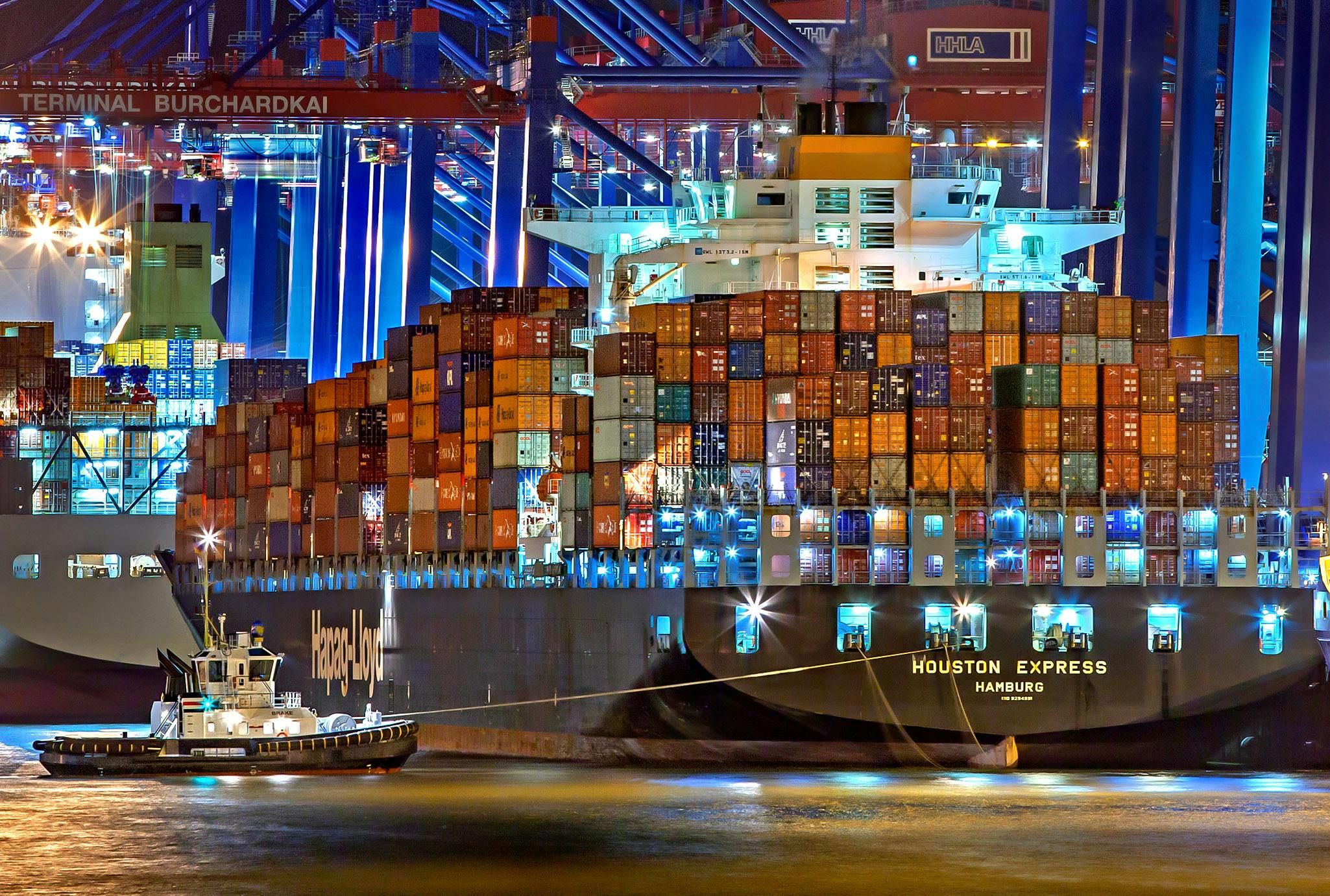
In April 2025, members of the World Wellbeing Panel were asked for their views on two statements relating to the recent disruption of international trade regimes.
The two statements were as follows:
Statement 1: Increased trade between countries in the last 80 years has on balance improved the wellbeing of humanity.
Statement 2: Imposition of tariffs on some products can improve national wellbeing in your coun try.
Response options for each statement were: “completely agree”, “agree”, “neither agree nor disagree”, “disagree”, “completely disagree”.
Below are the distributions of these categorical responses, followed by a discussion. You can click where indicated to see respondents' detailed written comments.
Increased trade between countries in the last 80 years has on balance improved the wellbeing of humanity.
Imposition of tariffs on some products can improve national wellbeing in your country.
-
Disagree
Doctor Fengyu Wu
Researcher in the Economics of Well-being, STATEC Research, LuxembourgWhile tariffs may offer short-term protection to certain industries, they often reduce national well-being in the long run. By raising the price of imported goods, tariffs directly harm consumers—especially low-income households—by limiting access to affordable products. They also reduce incentives for domestic firms to innovate or improve efficiency, leading to economic inefficiencies and a misallocation of resources. In today’s interconnected world, many industries depend on global supply chains, and tariffs on imported components can increase production costs, making local goods less competitive. Moreover, tariffs often provoke retaliatory actions from trade partners, hurting export sectors and increasing uncertainty for businesses. Although some jobs might be temporarily protected, others are lost in industries affected by rising input costs or reduced foreign demand. Ultimately, rather than strengthening the economy, tariffs tend to distort markets, reduce consumer welfare, and weaken long-term growth.
-
Agree
Professor Paul Frijters
Professorial Research Fellow, CEP Wellbeing Programme, London School of EconomicsWhilst in general tariffs reduce trade and are a bad thing for national wellbeing, the maintenance of cultural distinctiveness and own independent information streams is probably helped by barriers to external entertainment and political interference. One of the instruments for national cultural independence is tariffs on foreign entertainment and the output of foreign non-profit organisations. Cultural distinctiveness in turn can increase national confidence and give populations some self-belief, which is an element in national wellbeing.
Similarly, the argument can be made that one wants an own defence industry, which might need tariff barriers.
However, tariffs on normal goods will usually be bad for national wellbeing as it is a tax on consumption and encourages inefficient use of time. -
Completely disagree
Professor Mark Wooden
Professorial Research Fellow and Director of the HILDA Survey Project, Melbourne Institute: Applied Economic and Social Research, Faculty of Business and Economics, University of MelbourneThe standard argument for tariffs is that it protects jobs in sectors that cannot compete with cheaper foreign imports. Workers in the protected sectors are seen as winners while consumers of the now more expensive goods are losers. In general, overall population welfare is reduced, with the only sensible reasons for pursuing tariffs being based on infant industry or national security arguments. But the biggest problem with tariffs for countries like Australia (my country), which rely heavily on its mining and agriculture export revenues, is the likelihood of retaliatory behavior by our trading partners. A trade war has the effect of leading to the reallocation of resources from the most efficient competitive sectors of the economy to less efficient sectors that are unable to compete in world markets. Export revenues decline and overall economic output / growth (GDP per head) suffer as a result.
-
Neither agree nor disagree
Professor Mohsen Joshanloo
Associate Professor (Psychology), Keimyung University, South KoreaIt depends, if it's done effectively and grounded in fairness, mutual respect, and shared benefits, it can lead to positive outcomes for the country.
-
Agree
Professor Martijn Hendriks
Associate Professor, Erasmus University Rotterdam & University of JohannesburgLarge-scale tariffs generally do not enhance national wellbeing. While they may protect certain jobs in the short term, they can also harm employment in other sectors by triggering retaliatory tariffs from other countries. Additionally, tariffs can reduce consumer access to high-quality or essential goods, such as medicines, thereby diminishing overall welfare.
However, under specific circumstances, tariffs can play a positive role in safeguarding wellbeing. They can help protect domestic economies from unfair competition, such as heavily subsidized electric vehicles from China, which may otherwise distort market dynamics. Moreover, tariffs can serve as a defense against powerful foreign companies that initially undercut national firms to gain market dominance, only to raise prices once local competitors are driven out—a pattern seen in cases like Amazon and Uber. In such contexts, carefully targeted tariffs can help preserve healthy competition, protect critical industries, and support long-term economic resilience.
We should also not underestimate the non-economic well-being benefits of not imposing tariffs. Again, free trade reduces the likelihood of resource-driven conflicts.
-
Agree
Professor Gigi Foster
Professor, School of Economics, UNSW School of EconomicsThe standard arguments about temporary protection for infant industries or protection from "dumping" (by which i mean the importation of huge, "category-killer" amounts of low-priced products) apply. In addition to these arguments, i can see some potential political or "nationhood" value in imposing tariffs against unfriendly nations: the ideas that "we Australians won't be pushed around" or "we believe in Australian know-how" help to build a sense of national unity, confidence, and purpose, and to remind us of what we stand for. Naturally one can also tailor tariffs to products that on balance are likely to be wellbeing detractors, like luxury cars. Additionally, having more inspections at the border in order to determine whether tariffs apply to a particular shipment may marginally deter drug or people smugglers.
-
Disagree
Professor Philip Morrison
Professor Emeritus, School of Geography, Environment and Earth Sciences Victoria University of Wellington (Te Herenga Waka)Not the overall wellbeing. Maybe for a minority directly protected, at least in the short run.
-
Completely disagree
Professor Ada Ferrer-i-Carbonell
Professor of Economics, IAE-CSICA country might want to impose tariffs in order to develop a particular industry (for example, for security reasons), to protect local industry from social or environmental dumping from third countries, or to reduce transporting goods around the world so as to reduce energy consumption and mitigate climate change. Although in the long term, some of these very specific tariffs might lead to higher wellbeing, in the short term this will not lead to higher wellbeing of the country.
It does however not make sense to impose tariffs on goods to protect labor. Countries need to produce those goods in which they have comparative advantage and to invest on human capital and other infrastructures to increase a country’s efficiency.
-
Neither agree nor disagree
Doctor Conal Smith
Principal, Kōtātā InsightI have no strong view on this question as it is currently framed. While it is undoubtedly possible to identify a specifically targeted set of tariffs that would improve wellbeing - particularly in a case where the goal is explicitly to reduce consumption of the item in question because it produces social bads (e.g. tobacco, social media) - I question whether tariffs would be the optimal policy instrument (and thus whether tariffs could be said to improve wellbeing relative to a counter-factual that allowed other policy choices than the status quo).
-
Completely disagree
Professor Arthur Grimes
Chair of Wellbeing and Public Policy, School of Government, Victoria University of WellingtonImposition of across-the-board tariffs harms welfare since they decrease gains from trade and inhibit specialisation. Imposition of selective tariffs (even if they could be justified by someone's general equilibrium model) is beset with corruption and rent-seeking so harms the majority of a country's population while weakening standards of transparency and good governance.
-
Disagree
Professor Martin Binder
Professor of Socio-Economics at Bundeswehr University Munich-
-
Completely disagree
Professor Mark Fabian
Associate Professor of Public Policy, University of WarwickTariffs are a terrible instrument for redressing the failures of US trade policy. They will not encourage labour intensive industries to return in meaningful numbers, and meanwhile impose large price increases on consumers. Trump seems to want to abolish income taxes and pay for government through tariff revenues. This would be extremely regressive and result in a large reduction in the size of redistributive programs, which I have no doubt would be bad for aggregate wellbeing in the US.
-
Disagree
Professor Darma Mahadea
Associate Professor and Honorary Research Fellow at the University of Kwazulu-Natal, South AfricaTariffs can be imposed on harmful products that impact adversely on people's health. Who decides on which products tariffs are to be imposed?
-
Disagree
Professor Aaron Jarden
Associate professor, Faculty of Education, University of MelbourneTariffs on products that cause harms to health (e.g., tabaco, sugar) may improve wellbeing (from a paternalistic point of view), however the current approach to tariffs does not seem to be based on the harm or benefits of the goods per se…
-
Completely disagree
Professor Mariano Rojas
Professor of Economics, Universidad Popular Autónoma del Estado de PueblaGlobalization was never implemented with the intention of promoting wellbeing, and thus little wellbeing can reasonably be expected from it. Similarly, we cannot expect much wellbeing from tariffs motivated solely by economic interests -and even less from those used as transactional or coercive tools that reflect the short-term interests of a small political group rather than the long-term needs of broader and complex societies. In such contexts, it is essential to recognize diversity and to prioritize dialogue and consensus over unilateral impositions.
Any trade policy based on tariffs inevitably has consequences beyond national borders. Therefore, from a long-term perspective, it is vital to acknowledge that we share the world with other countries and peoples. Unilateral trade measures are unlikely to generate sustainable benefits. However, there may be space to enhance wellbeing sustainably if trade policies are agreed upon collectively through a multilateral approach grounded in respect and cooperation. Within such a framework, tariffs might play a pro-wellbeing role, but only as part of a broader, integrated strategy aimed at promoting societal wellbeing. For instance, a wellbeing-oriented strategy could aim to support local rootedness, proximity-based trade, small-scale local economic activity, and the creation of a sense of community. In this context, promoting local economic activity and applying limited restrictions on extra-local trade could be appropriate -particularly when combined with complementary policies such as urban design, inclusive municipal programs, and the teaching of socio-emotional skills at all levels of education.
The legitimate use of tariff policies must be embedded within a comprehensive, wellbeing-centered strategy, developed in coordination with relevant stakeholders to ensure long-term stability. This stands in stark contrast to tariffs used in a transactional, zero-sum logic, which serve only to assert temporary political power and foster political clientelism -rewarding allies and punishing dissenters- while doing little to advance well-being. -
Completely disagree
Professor Lina Martinez
Profesor, and Director of POLIS - Center for Wellbeing Studies, Universidad IcesiImposing tariffs on certain products can have complex implications particularly, in develing countries. While tariffs may initially protect local industries and jobs, they can also result in higher prices for consumers and reduced variety of products. These factors can impact economic growth and disrupt global supply chains, affecting overall prosperity.
-
Disagree
Professor William Tov
Associate Professor of Psychology at Singapore Management UniversityImposition of tariffs mostly seems to raise concerns about blowback and retaliation. Singapore is a nation that relies on cooperation within ASEAN and beyond -- especially with China and the U.S. So trade wars put the country in a difficult position and provoke a lot of anxiety. The country runs a trade deficit with the U.S. It hardly seems that striking back with its own tariffs would be beneficial. Instead, there is increasing concern about economic growth slowing, job creation slowing, and a potential rise in unemployment.
-
Agree
Doctor Kelsey J O'Connor
Researcher in the Economics of Well-beingIndustrial policy, i.e., supporting specific domestic industries, can be well-being enhancing for the people in those industries, and may benefit the country more broadly (not necessarily the world). This process operates through improved short-medium term employment opportunities, which can have spill over effects through improved political / cooperative activity and skills development. (Improved employment might reduce income inequality thereby improving feelings of fairness and trust. And employment can lead to skills development that is useful across multiple jobs.) Industrial policy might also be used for national strategy to locate production domestically and reduce the dependence on foreign nations, especially for critical goods and infrastructure (e.g., food, energy, medical equipment (during COVID), and information technology).
Tariffs however are not the best tool for industrial policy. According to economics texts books, they impose two market corrections while domestic taxes and subsides only impose one, i.e., the latter is more efficient. Domestic taxes and subsidies are also probably better for cross-national cooperation. For example, industrial policy under U.S. President Biden, such as subsidies under the CHIPS and Science Act, was not well liked by Europeans, but I suspect more liked than tariffs under President Trump.
-
Agree
Professor Felix Cheung
Assistant Professor of Psychology and Canada Research Chair, University of TorontoIt certainly can in the right context, but less likely when it's purely politically motivated.
-
Neither agree nor disagree
Professor David Blanchflower
Professor of Economics at Dartmouthno idea
-
Disagree
Professor Eugenio Proto
Alec Cairncross Professor of Applied Economics and Econometrics, University of Glasgow, Adam Smith Business SchoolPerhaps it can increase the wellbeing of a group at the expenses of the one of a larger group.
-
Neither agree nor disagree
Professor Bruno Frey
Visiting Professor of Economics and Wellbeing, University of BaselDepends on the taxed products
-
Neither agree nor disagree
Professor Maurizio Pugno
Full Professor of Economics, University of CassinoItaly, or rather Europe, could benefit from tariffs for reasons of national security and public health. These cases include the sensitive sector of information. Instead, retaliation should be avoided as much as possible, and should be used only as a deterrent.
-
Neither agree nor disagree
Professor Talita Greyling
Professor, School of Economics, University of JohannesburgYes, if we define well-being as a multidimensional concept, encompassing income, employment, health, security, social cohesion, and environmental sustainability, then targeted tariffs can enhance South Africa's well-being. Currently, South Africa imposes tariffs to protect vulnerable and labour-intensive industries, such as agriculture, clothing, and automotive manufacturing. These tariffs support economic security, stimulate local value chains, and increase community resilience, thereby contributing to overall well-being.
However, while the imposition of selected tariffs can be beneficial, I would like to draw attention to the impact of unexpected announcements of extreme tariffs on experienced well-being, including emotions such as fear. This area of study is underexplored by traditional economic and well-being theory and literature.
The real-time happiness measures of the Gross National Happiness.today project (www.gmh.today), which includes measures for the USA and South Africa, allowed us to observe the impact on happiness (experienced well-being) of President Trump’s announcement of exorbitant trade tariffs on 2 April 2025.
There was a marked decline in happiness following the announcement in both the USA and South Africa. Additionally, we tracked fear indices from financial markets: the VIX (Volatility Index of the USA) and the SAVI (South African Volatility Index), which rose sharply during the same period. These movements reflect a surge in collective fear and a decrease in happiness.
These effects are significant and, according to behavioural economic theories (among others, Social Capital Theory (Putnam, 1995) Broaden-and-Build Theory of Positive Emotions (Fredrickson, 2004) and Prospect Theory (Kahneman & Tversky, 1979), heighten fear and uncertainty, impair rational decision-making, reduce compliance, and erode social trust factors that ultimately decrease both subjective and multidimensional well-being.
Thus, while tariffs may promote well-being under certain conditions, poorly timed or punitive tariffs that create uncertainty severely undermine well-being in both the country introducing the tariffs, the USA, and the country on which the punitive measures are imposed, South Africa.
-
Agree
Professor Martijn Burger
Academic Director at the Erasmus Happiness Economics Research Organisation, Erasmus University Rotterdam and Endowed Professor of Happiness Economics at the Open University of the NetherlandsYes, tariffs can help to (1) reduce sudden job displacement and allowing time for economic adjustment (e.g. transition from a manufacturing to a services economy) and (2) avoid social polarization by reducing inequality. However, tariffs should be used temporarily and moderately as they can raise prices and trade wars, which can negatively affect wellbeing. In this regard, tariffs may only benefits some groups in society. In this regard, tariffs should ideally be combined with active labor market policies targeting specific groups (e.g., retraining) and/or place-based policies (e.g., redeveloping old manufacturing regions).
-
Disagree
Doctor Giulia Slater
Economics Researcher, STATEC, LuxembourgIn general, I disagree that the imposition of tariffs would improve national well-being. While tariffs may offer short-term benefits to specific industries or communities, they are a policy tool that often leads to economic distortions.
By raising costs of imported goods, they reduce consumer purchasing power (especially harming lower-income households) thus reducing quality of life. For firms, tariffs raise the cost of imported inputs, especially in sectors that rely on international supply chains. This can reduce productivity and competitiveness, leading to higher prices, lower investment, and possible job losses, increasing uncertainty and hampering morale. In many cases, revenues generated by tariffs are outweighed by economic inefficiencies and the broader welfare losses they generate.
Tariffs also disrupt global value chains and reallocate resources away from their most productive uses, against principles of comparative advantage. These distortions may end up reducing aggregate output and efficiency, ultimately harming national wellbeing.
From a political economy perspective, tariff escalation and retaliation (tariff wars) may erode international trust, increase geopolitical tensions, and weaken institutions designed to allow cooperation and controlled trade, undermining economic stability and international cooperation.
I hardly believe tariffs would have a beneficial role for wellbeing, as their economic and political costs could outweigh their intended benefits. -
Disagree
Professor Andreas Knabe
Professor (Chair in Public Economics), Otto-von-Guericke-University MagdeburgIn very few instances, it might be the case that tariffs on some goods can have beneficial effects, for example if a country has a very large demand share for a good on world markets. In the vast majority of cases, however, tariffs put an economic burden on domestic consumers that outweights the benefits from the government's tariff revenues.
-
Completely agree
Professor Chris Barrington-Leigh
Professor, McGill UniversityThe idea that freer trade is always good is absurd. When I was a PhD student in Economics, my International Trade professor, when introducing trade
models on imperfect competition and economies of scale,
volunteered that “most of this theoretical work was done to further a political
agenda in the late 1970’s and early 1980’s.” He continued, unabashedly: "As
economists, we know what policy is good — elimination of all tariffs. But models
showed that the gains to reducing (already low) tariffs in a North American free
trade agreement would be insignificant. So, to convince politicians — who, un-
like economists, don’t have ‘welfare’ at heart, fundamentally — the economists
sought other models to show bigger potential gains.” His circular and cognitively dissonant logic continued from there. It seems that economists' intuition about tariffs is set by very simplistic models, and is then robust in the face of more realistic ones with nuanced predictions.We tend not to criticize world-leading national industries for once having had protections or subsidies, if those protections and subsidies have since been removed. Nurturing industries with increasing returns or in need of R&D is a natural policy in the face of global competition.
Similarly, it is probably not controversial to say that solving many global ecological problems ultimately involves imposing effective tariffs against non-compliers.
In Canada, we are generally supportive of our dairy and egg supply management system, which include import restrictions and may raise average prices but give us stability, security, and safety. While these are not simple "tariffs" and are effectively an alternative to the more direct subsidies of Europe and the USA, they are another example where minimising long-run average price is not everything that matters to wellbeing. Lastly, we tax a number of "bads" like cigarettes rather than ban them outright; taxing them at the border makes sense if they are made abroad.
Analysis
Wellbeing Statement 1:
What interesting survey responses from our Panel of Economics of Wellbeing aficionados. All but one of the twenty-eight respondents agreed or completely agreed with Wellbeing Statement No. 1: “Increased trade between countries in the last 80 years has on balance improved the wellbeing of humanity”. Here is a summary of their detailed and extensive arguments. (The responses to this survey were well-considered and detailed, perhaps due to the salience of current international trade tariff activity. This report attempts to capture the main points raised by each respondent but not the passion in their responses. To experience that, readers are referred to the detailed responses from each panel member at the World Wellbeing Panel website.)Supported by an enormous body of research (Bruno Frey), a common theme that emerged from panellist’s responses was the normative macro-economic argument(s) that international trade has generally allowed economies to flourish in part because of greater interdependence among market participants (William Tov). International trade reduces input to production costs which leads to production efficiencies and the lowering of prices for goods and services (Kelsey O’Connor; Fengyu Wu). This has motivated the emergence of global supply chains, something that is under threat in light of the US Administration’s implementation of global tariffs (William Tov). As Adam Smith argued, it has also allowed for specialisation by individuals, which enhances their material prosperity and thence their wellbeing (Arthur Grimes).
In spite of Trumpian-induced market distortions (Darma Mahadea), trade-participating countries will still get to exercise their comparative advantage (Marten Hendriks; Mario Pugno), leading to improved wellbeing from increased economic opportunities at home and abroad; resulting increases in consumption/investment/GDP leading to economic growth (Martijn Burger; Gigi Foster; Harrison & McMillan 2007, J Econ Ineq). Felix Cheung suggests there has been too much focus on individual wellbeing and not enough on this macro perspective that considers high unemployment rates, affordable goods, increased international trade or imported inflation (Martijn Burger). Tony Beatton suggests the country or regional-level wellbeing consideration could go beyond macro effects to also consider the wellbeing expectations and needs of cultural groups.
Since World War II international cooperation and trade interdependence has helped to reduce global conflict (Gigi Foster) and facilitated peace (Chris Barrington-Leigh). Kelsey O’Connor argues resulting international peace has facilitated democracy, reduced resource-driven conflicts (Marten Hendriks), increased human rights and personal safety (see Steven Pinker's Enlightenment Now, or the OECD's How Was Life Reports), and consumer welfare (Giulia Slater); all contribute to wellbeing. International trade has increased the wellbeing of individuals in poorer countries: improving objective well-being indicators (Marten Hendriks) like life expectancy (Mark Wooden); increasing Happiness-Adjusted Life Years (a measure attributed to Ruut Veenhoven; Heizer, 2017, World Economy; Dithmer & Abdulai, 2020, Applied Econ; Feng et al., 2021, World Development); reducing child mortality (Eugenio Proto) and poverty rates (Kelsey O’Connor; Dollar & Kraay 2004, Econ J; Bergh & Nilsson 2014, World Dev); providing access to ideas (Chris Barrington-Leigh) and technology thereby increasing innovation (Lina Martinez). The result is better access to vital natural resources (Marten Hendriks), better quality food, modern vaccines and medicines (Aaron Jarden), and cheaper prices for commodities like rice, wheat and oil. A well-fed human who has fuel to cook is a happier one.
Panelists also addressed negative outcomes associated with trade. International trade has also provided labour market opportunities for the educated from poorer countries to move to higher paid jobs in richer countries (Gigi Foster; Mark Wooden; Dorn et al 2022, Econ Inq). Tony Beatton suggests a resultant “brain-drain” may have enriched wealthy countries like the USA at the expense of poorer nations (Mark Wooden). This can reduce the availability and quality of important wellbeing-increasing services in poorer countries, services like healthcare, which rely on a high level of home country human capital; educated doctors and nurses. And fickle international aid policies by countries like the USA in no way compensate these poorer countries for what rich countries have taken from them. Andreas Knabe suggests that if countries have appropriate redistributive tax-and-transfer systems and social protection schemes, this ensures that international trade has, on balance, positive effects for the home or foreign populations.
Ada Ferrier-i-Carbonell reminds us of how post-world-war II global institutions like the WTO have: increased fairness in trade; encouraged interaction between countries & across regions, and; contributed to global political and economic stability. Free trade based upon GATT (Talita Greyling) and WTO compliance is better for citizens’ wellbeing in both producing and consuming countries (Darma Mahadea). In his 2014 book “World Order” Henry Kissinger questioned whether such global trade cooperation would continue. He called for a global leadership based upon virtue, trust, compassion and cooperation to stand up to demagoguery; one wonders whether the current crop of country leaders read Henry’s book and how their recent tariff behaviour has affected global trade.
Mariano Rojas asserts that globalization has not emerged in a political vacuum. Its design and trajectory reflect global power asymmetries and have primarily served the interests of dominant actors. Not only affluent nations, but also influential economic and political elites within them (Philip Morrison). Consequently, while globalization may contribute to some undeniable benefits, such as reductions in hunger and child mortality through enhanced productivity, these outcomes were not the principal motivations for global trade expansion. As history reveals, including during the post-colonial era (Talita Greyling), the driving motivations behind globalization have rarely centred on advancing wellbeing.
In comparing the emergence of global trade and its differences between Asia and the European Union, Mark Fabian reasons why trade is no longer an unalloyed, pure, good. In Asia trade flows according to economic textbooks and he argues this is why Asian trade is a well-oiled machine offering many wellbeing-related benefits. It has played an important role in lifting China, Japan, Korea, India, and much of Southeast Asia out of poverty (Conal Smith; Dollar and Kraay, 2004). Mark states, Atlantic trade is much clumsier with fewer wellbeing benefits: “The US consistently makes its trade strategy subservient to its grand strategy”. The EU works as a bloc, restricting more than facilitating trade. As a result, Atlantic trade agreements often amount to two outside powers squeezing everything they can from much smaller players: global bullying. Taking advantage of other countries often backfires and harms everyone involved (Mohsen Joshanloo). Countries like the USA have been particularly bad at channelling trade gains from winners to compensate losers, especially when it comes to education, health care, pensions, and public transport infrastructure; all wellbeing increasing. The 'potential pareto improvements' from trade are thus squandered. Both within and between countries, David Blanchflower asserts that “the winners (from global trade) should have compensated the losers more than they did”. Perhaps the lack of redistribution of wealth and widening of the rich-poor gap is why life expectancy and wellbeing in the USA is lower than similarly developed countries (Tony Beatton).
Mariano Rojas reminds us that “the higher incomes that can emerge from global trade do not automatically translate into improved life satisfaction (Easterlin 1974), particularly when accompanied by rising material aspirations, whether endogenously generated or exogenously promoted. He argues, economic growth can entail significant social and environmental costs: weakening of interpersonal relationships, erosion of social cohesion, create climate change and environmental issues, and the dismantling of state-supported safety nets (Philip Morrison).
Gigi Foster argues that Multinational Corporations (MNCs) may have contributed to the problem, distorting the benefits from trade through the use of revenue and tax avoidance measures and anti-social behaviour like transfer pricing and avoidance of environmental standards. In the absence of recognition nor compliance with International Law(s), MNCs can obstruct the free movement of international labour through worker non-compete agreements and the siphoning of specialised skills, like information technology and biomedical engineering, into their rich home countries (e.g. USA). Similarly, countries like the USA, Australia and trading blocs like the European Union use the power of their (anti) immigration laws to eliminate job opportunities for poor South Americans, Africans and Asians, while arguing these policies protect the (high paid) jobs and improve the wellbeing of their ‘own’ citizens.
In spite of immigration laws restricting the free movement of labour, the globalization of trade has created rustbelts in some countries; Chicago and Pennsylvania are mere shadows of their former industrial grandness (Marten Hendriks). However, one could argue that with global competition comes creative destruction and the emergence of new technologies, new industrial opportunities (Tony Beatton). The manufacturing that was once a major portion of many countries’ economy has disappeared or been deliberately moved offshore by MNCs seeking cheaper labour or relaxed environmental restrictions (Lina Martinez). Some countries have fared better than others. For example, the almost complete demise of manufacturing in Australia has not resulted in what we see in the USA. Perhaps the economic and social policies of successive Governments, and MNCs, need to better consider the long-term goals, like China, instead of engaging in short-term shareholder mentality that focusses on next quarter’s revenue and profit numbers (USA).
Along a similar line of thought, Guilia Slater states “we should also consider within-country inequality. While trade has increased overall aggregate income, industries exposed to foreign competition could face job losses, wage pressures, and lower income for workers. Moreover, productivity gains tend to favour those with access to capital and skilled labour in the industries of the abundant factor of production in a country, while others are left worse off. Trade can also intensify regional disparities by concentrating economic activity in already advantaged locations, unless offset by redistribution and investment policies.”
Mario Pugno offers a more equilibrium-like and cooperative view of a global trading world. He cites Rordik (2024) who says: “it is possible to envisage a more sensible, less intrusive model of economic globalization that focuses on areas where international cooperation truly pays off: global public health, international environmental agreements, global tax havens and other beggar-thy-neighbor policies”. Mario argues this approach otherwise leaves nations unencumbered to prioritize their economic and social problems at home. Such a global order would not be inimical to the expansion of world trade and investment. It might even facilitate it insofar as it opens space for restoring domestic social bargains in the advanced economies and crafting appropriate growth strategies in the developing world. Perhaps such a cooperative world is what Henry Kissinger had in mind when he called for virtue, trust, compassion and cooperation?
Chris Barrigton-Leigh offers a completely different perspective on global trade and wellbeing. “We have recently found communities around the world with relatively weak dependence on the market who nevertheless report very high life satisfaction (DOI:10.1073/pnas.2311703121), so we should keep some humility when making claims about very different counterfactual worlds.”
So, perhaps Paul Frijters’ five-point argument in favour of global trade is more relevant to its “rich” but perhaps not so happy participants:
- People who trade have an incentive to be polite to each other.
- Trade reduces wars and criminality.
- The production of goods to trade similarly enforces stability and predictability on a region.
- The regions that do not do this see its population move elsewhere.
- Less wars, less crime, and more stability all strongly improve human wellbeing.
Wellbeing Statement 2
As can be seen above, the panel had a preference for eliminating tariffs and other barriers to free trade. Therefore, one could reasonably expect that our wellbeing focussed respondents would disagree or completely disagree with Wellbeing Statement No. 2: “Imposition of tariffs on some products can improve national wellbeing in your country”. Not so, the panel was split: Agree (6); Completely Agree (7); Disagree (9), and; Neither Agree nor Disagree (6). Their wellbeing-focussed reasoning is country-centric, case-based and interesting.
Chris Barrington-Leigh offers a theory-destroying story of his International Trade Professor who stated when introducing trade models on imperfect competition and economies of scale: “most of this theoretical work was done to further a political agenda in the late 1970s and early 1980s,” i.e., to tweak models to show bigger economic gains from freer trade. Is it all about economic gains? Guilia Slater reminds us that “from a political economy perspective, tariff escalation and retaliation (tariff wars) erode international trust, increase geopolitical tensions, and weaken institutions designed to allow cooperation and controlled trade, undermining economic stability and international cooperation”.
Gigi goes beyond political intervention to state that nationalism and country-specific-needs justify market intervention; particularly if tariffs are imposed “against unfriendly nations”. Her ideas are founded upon "we Australians won't be pushed around" or "we believe in Australian know-how …. all help to build a national unity, confidence, and purpose, and to remind us of what we stand for”. Mario Pugno suggests Italy, or rather Europe, could benefit from tariffs for reasons of national security and public health. All very nationalistic, an anti-cooperative behaviour Henry Kissinger might consider as anti-global and anti-free-trade (Tony Beatton). Felix Cheung agrees: ”tariffs are less likely to work if they are politically motivated”.
Kelsey O’Connor offers a prescription for industrial policy that supports local industry over the short-term in order to provide the foundation for strategically selected domestic industries that a country seeks to grow into global supplier status. Short term market interventions that improve domestic investment, employment, develop new technologies, products and services. They might also consider urban design, inclusive municipal programs and the teaching of socio-economic skills at all level of education (Mariano Rojas). Such strategies could help to immunise local economies from global supply chain disruption, particularly important for healthcare, defence and other essential products and services. Kelsey suggests that tariffs are the least preferable mechanism to achieve the above, better we use taxes, subsidies, or preferably, international cooperation. Mariano Rojas adds his voice to the need for international cooperation and respect, particularly as international trade has never really focussed on wellbeing.
Mark Wooden offers an interesting perspective on international cooperation from a free trade nation. “..the biggest problem with tariffs for countries like Australia, which rely heavily on its mining and agriculture export revenues, is the likelihood of retaliatory behaviour by our trading partners. A trade war has the effect of leading to the reallocation of resources from the most efficient competitive sectors of the economy to less efficient sectors that are unable to compete in world markets. Export revenues decline and overall economic output / growth (GDP per head) suffer as a result.” Willian Tov echoes Mark’s concern for “blowbacks and retaliation”; tariff behaviour increases uncertainty and anxiety in both the home and foreign populations, thereby reducing their wellbeing.
Martijn Burger suggests tariffs should be considered in the short term (Philip Morrison) when seeking to avoid social polarisation by reducing inequality. They could be teamed with labour market policies that target wellbeing improvements for specific groups. For example, retraining, geographic location assistance to replacement jobs or redevelopment of old industries. An example would be the initiative to replace coal-based steel production in Australia with hydrogen; steel jobs remain, and solar and hydrogen creates new jobs that, hopefully, persist over the long term; the short term economic and wellbeing issue here is a resultant increase in the cost of energy for households (Tony Beatton). Chris Barrington-Leigh examples the egg supply management system which includes import restrictions that may raise average prices but give Canadians stability, security, and safety; all wellbeing increasing. Talita Greyling provides a South African example: “South Africa imposes tariffs to protect vulnerable and labour-intensive industries, such as agriculture, clothing, and automotive manufacturing. These tariffs support economic security, stimulate local value chains, and increase community resilience, thereby contributing to overall well-being”. Arthur Grimes disagrees: “Imposition of selective tariffs (even if they could be justified by someone's general equilibrium model) is beset with corruption and rent-seeking so harms the majority of a country's population while weakening standards of transparency and good governance”.
Paul Frijters picks up on the earlier suggestion for cultural consideration. “Whilst in general tariffs reduce trade and are a bad thing for national wellbeing, the maintenance of cultural distinctiveness and own independent information streams is probably helped by barriers to external entertainment and political interference. One of the instruments for national cultural independence is tariffs on foreign entertainment and the output of foreign non-profit organisations. Cultural distinctiveness in turn can increase national confidence and give populations some self-belief, which is an element in national wellbeing.” Eugenio Proto suggests such policies can increase the wellbeing of a specific group at the expense of a larger group.
Martijn Hendriks supports tariffs to protect against unfair competition, like “heavily subsidised electric vehicles from China”. The issue here is how does one define “unfair”. He suggests tariffs should be used as a defence against foreign companies undercutting national firms to gain market dominance. This strategy certainly did not work for half a century in Australia’s motor vehicle industry. The tariffs subsidised the profits of uncompetitive foreign Multi National Corporations (MNCs) and delivered consumers substandard over-priced products (Tony Beatton; Mark Wooden); Australians prefer cheap Chinese cars. They vote to spend their tax-payer dollar on infrastructure, healthcare and other wellbeing increasing public goods (Tony Beatton).
Ada Ferrier-i-Carbonell echoes that tariffs should be used to protect local industry from social or environmental dumping from third countries, but they should be used to minimise transporting goods around the world so as to reduce energy consumption and mitigate climate change. Tariffs should be tailored to products that on balance are likely to be wellbeing detractors, like luxury cars (Gigi Foster). While current tariffs do not seem to consider the harm or benefits of the goods (Aaron Jarden), tariffing "bads" (Conal Smith) like cigarettes at the border could make sense if they are made abroad (Chris Barrington-Leigh). This raises an interesting wellbeing question(s): would such tariffs offset their wellbeing-related negative externalities? Darma Mahadea asks: “Who decides on which products tariffs are to be imposed? “